Many Problems?
Poetry is Emotion Recollected in Tranquility

I finished reading Territorial Rights by Muriel Spark, I think it is one of her funniest novels. I love the poor and 35 year old Bulgarian artist Lina Pancev, as I painfully have a lot in common with her. Moving from one bad attic to another she brings ‘ a large carton, bursting at its edges, which contained jars, tins and bottles of salt, vinegar, old pieces of soap that had been filched from public wash-rooms, toilet paper, a feather duster, three scorched pots, a black-looking frying pan, a large bottle containing two inches of oil, a bottle with a half-used candle stuck into it.’ She has a half kilo jar of lard ‘ important both for stomach and intestines. It also lubricates the lungs within the chest’ She is not allowed to cook in one place she lives in Venice so she carries her cooking rubbish out in her skirts ‘..she bent to lift her voluminous skirt to the knees, and shook out from under it an empty mackerel-tin, a milk-carton, bits of egg-shell and some pieces of old lettuce.’ She is in danger of losing her refugee grant because she doesn’t go to protests with the other dissidents, she isn’t a ‘model refugee’.
I also read The Only Problem by Spark about a Canadian man, Harvey (I love her name choices, there is always a smirk behind them) who lives in France and is writing a book about the Book of Job. There is a young man in the book with a shirt which says ‘Poetry is Emotion Recollected in Tranquility’ printed on it which I think is very funny and I might get this t-shirt made when a lush time comes along.
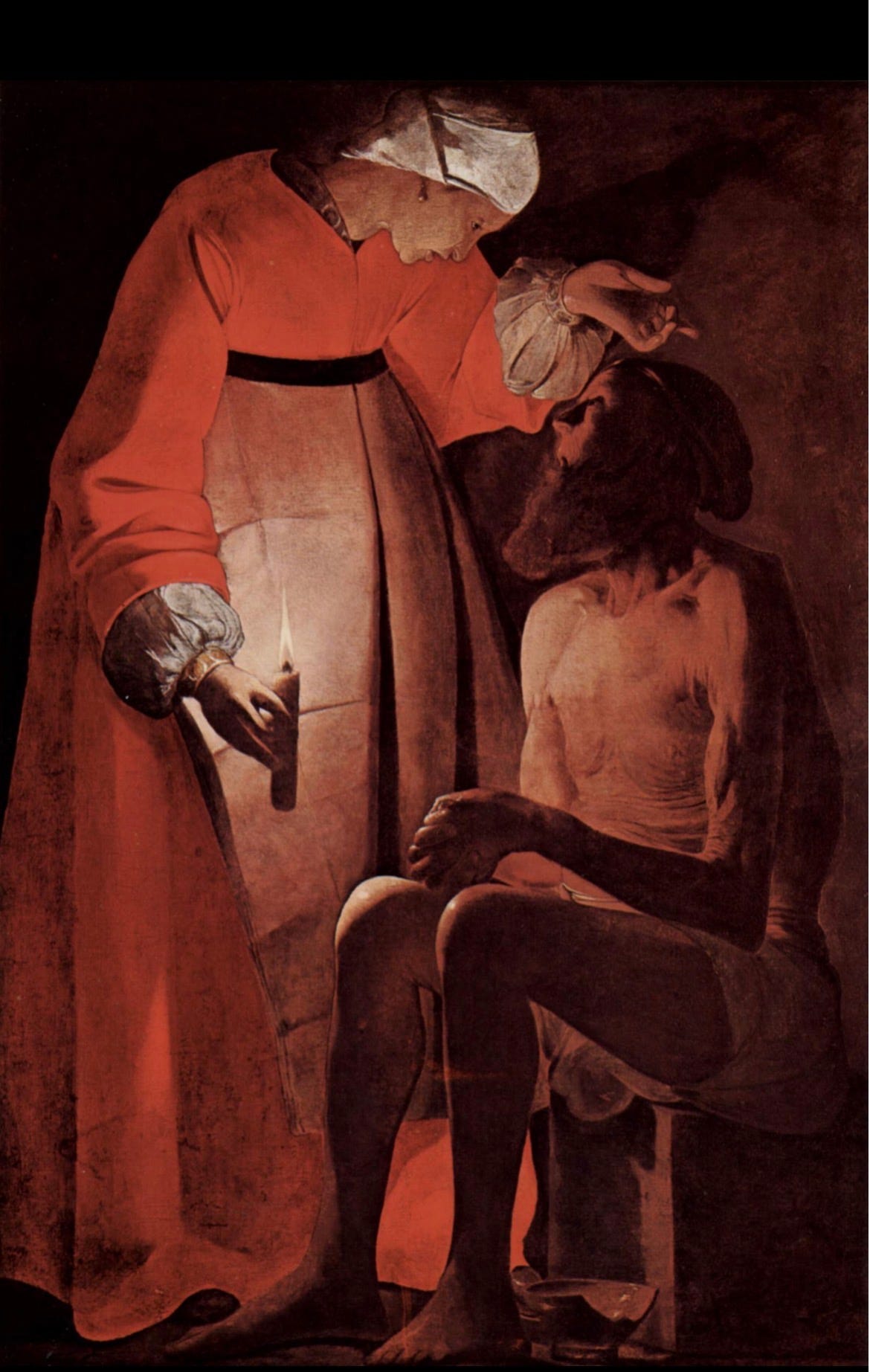
Part of the plot revolves around this painting of Job and his wife by Georges de La Tour, Harvey moves to France to be able to go look at it everyday. When I think of Georges de La Tour i think of looking at those old hardback horizons from the 60s and 70s. His paintings look like paintings you would look at in the 1970s if that makes sense, like turning away from them back into the world I expect to find myself in some faux rustic 70s kitchen with a very mayonaissy dish on an antique wooden table? Somehow Spark knew this I think, that to capture the spirit of 1979 she needed some Georges de La Tour.
I hate as a writer, being tied to nationalism or bogged down in a very specific place, and Spark is the master of overcoming this. The Only Problem is set in France. She has books set in Rome, London, Venice, New York. She makes them all Sparkian instead of bowing down to their cultures. She holds these cities by the throat when she writes about them.
I’ve been in a mini dark ages I won’t bore you with and comforting myself with the Roman emperors and their juicy dramatic lives. I think up until Commodus, the end of Nerva–Antonine dynasty I have at least one sympathetic thing to say about all of them, but Commodus bothers me incessantly, the sculpture of him cosplaying as Hercules looks well, very punchable (coincidentally, in the first Gladiator he is played by an actor I really don’t like either, though they do away with his beard) and most of the Nerva-Antonine period is already stretching it because they were the first emperors to wear beards though Hadrian is forgiven because of his grand romantic narrative with Antinous. I’m not going to spend all my time reading about men with beards, no thanks, I like a roman chin shaved and smoothed with olive oil.( pub quiz quesiton though, what do Nero and William Empson have in common?) I feel especially sorry for Caligula, I keep having dreams in which Caligula tells me everything people said about him is wrong, and I keep visualising his murder at random points of day. So many men, Lucius Calpurnius Piso Frugi Licinianus, Germanicus who should have been emperor too but died tragically.

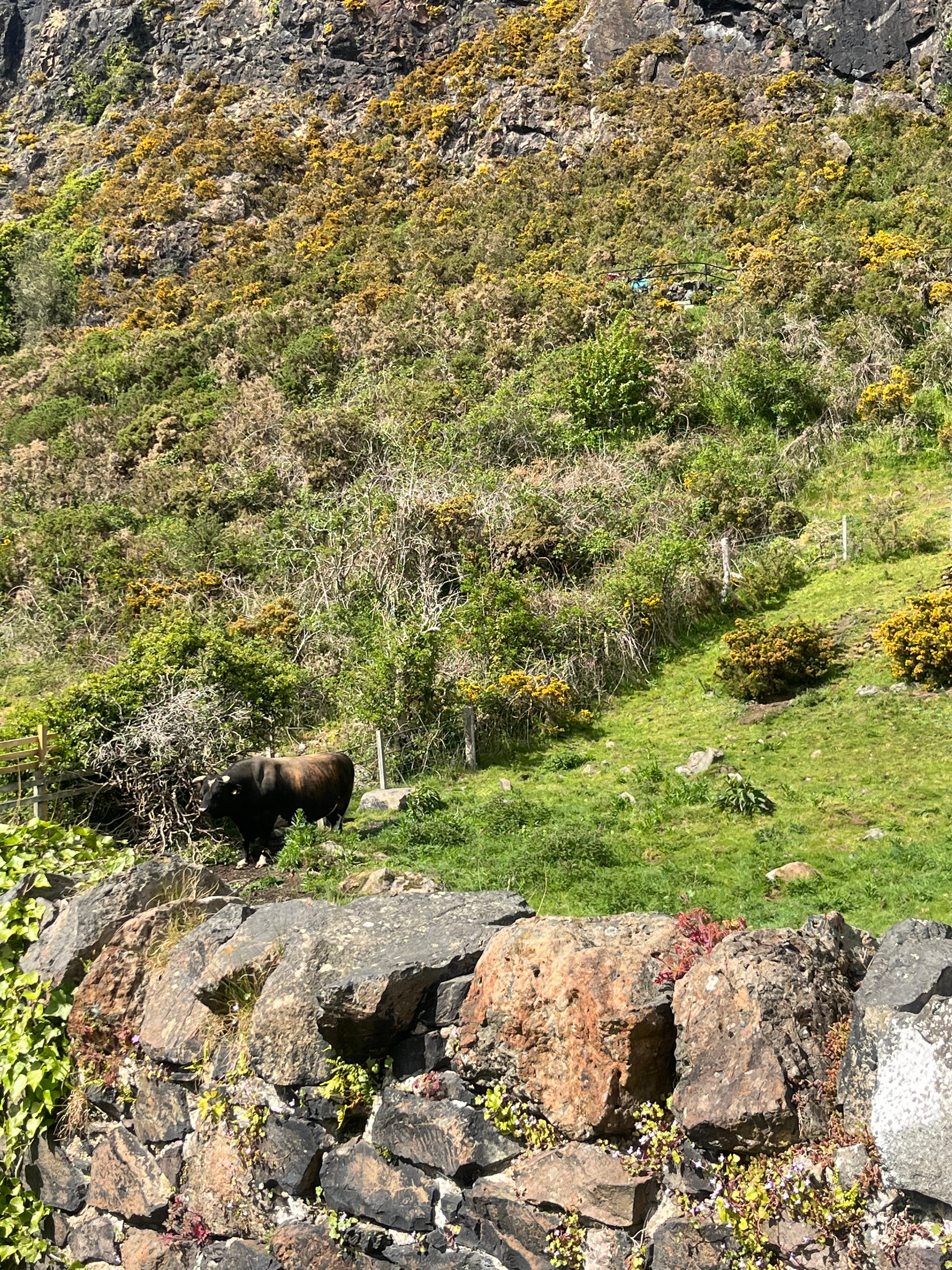
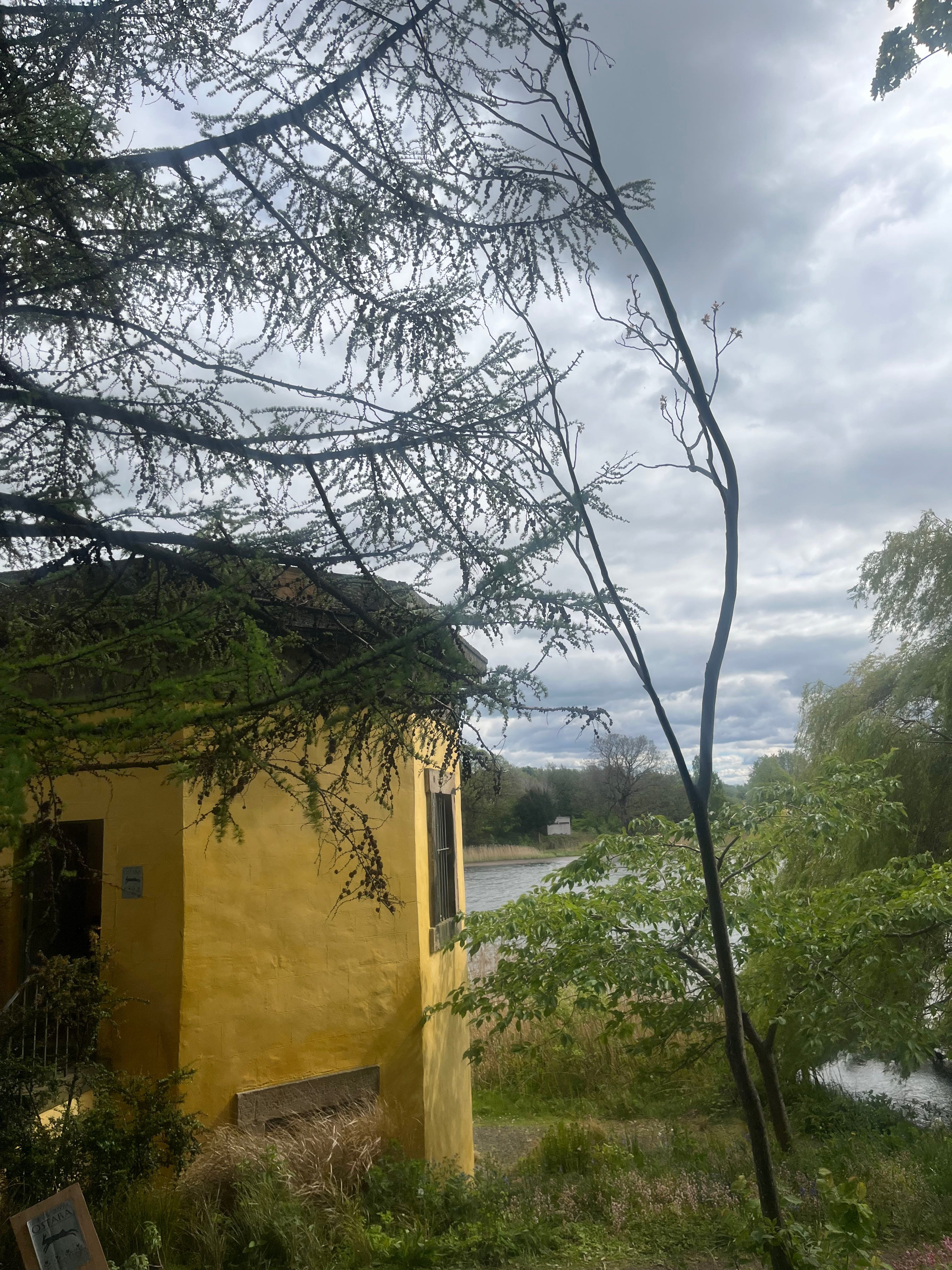
Yesterday I forced myself to go on a long walk as i’ve not been leaving the flat much, and thought you need to get away from this all encompassing Roman emperor obsession in your flat, it all feels a bit mulchy just digging yourself into some dark corner of the ancient world wrapped in rancid linens of death so I went to Holyrod park, but then went I got there I thought oh this is the perfect place to finally read I, Claudius. I found the audiobook narrated by Derek Jacobi who played Claudius in the BBC production. It really works well as an audiobook because it is essentially a monologue. It feels like it has more in common aesthetically and time wise with Shakespeare’s adaptations of Roman history than contemporary historical novels full of contemporarisms.This novel is a good way to learn about the very complicated relationships, loyalties and high turnover rate of emperors, even though there are some ‘boy’s own’ like sentences it is intensely juicy, and very crisply, simply written. It doesn’t read as a 1930s novel as much as I love a 1930s novel (Though written later, the novels of Barbara Comyns capture 30s Britain better than anyone) I think it does matter that it was written by a ww1 soldier. I wandered to Dr Neil’s Garden from the back of Holyrod palace then back around Arthur’s seat. On the way there I saw a really ancient looking bull, which felt like a portent and strange coincidence as I was immersed in the world of sacrificing bulls and signs. It was really like seeing a God! Less glamorous, I also had a crow defecate into my tea thermos cup as I paused in drinking it. I like the odd spatial association one gets from listening to a particular audiobook in a particular place, it becomes impossible not to think of the book when visiting again. In one house I catsit for I listened to two Em Forster audiobooks and now just think of Em Forster when I am there. Arthur’s seat has always been sinister in my mind but now that I will think of the Romans and poor Claudius when I look at it instead of haggard hairy kings of Britain who smell of milk I shall feel much better.

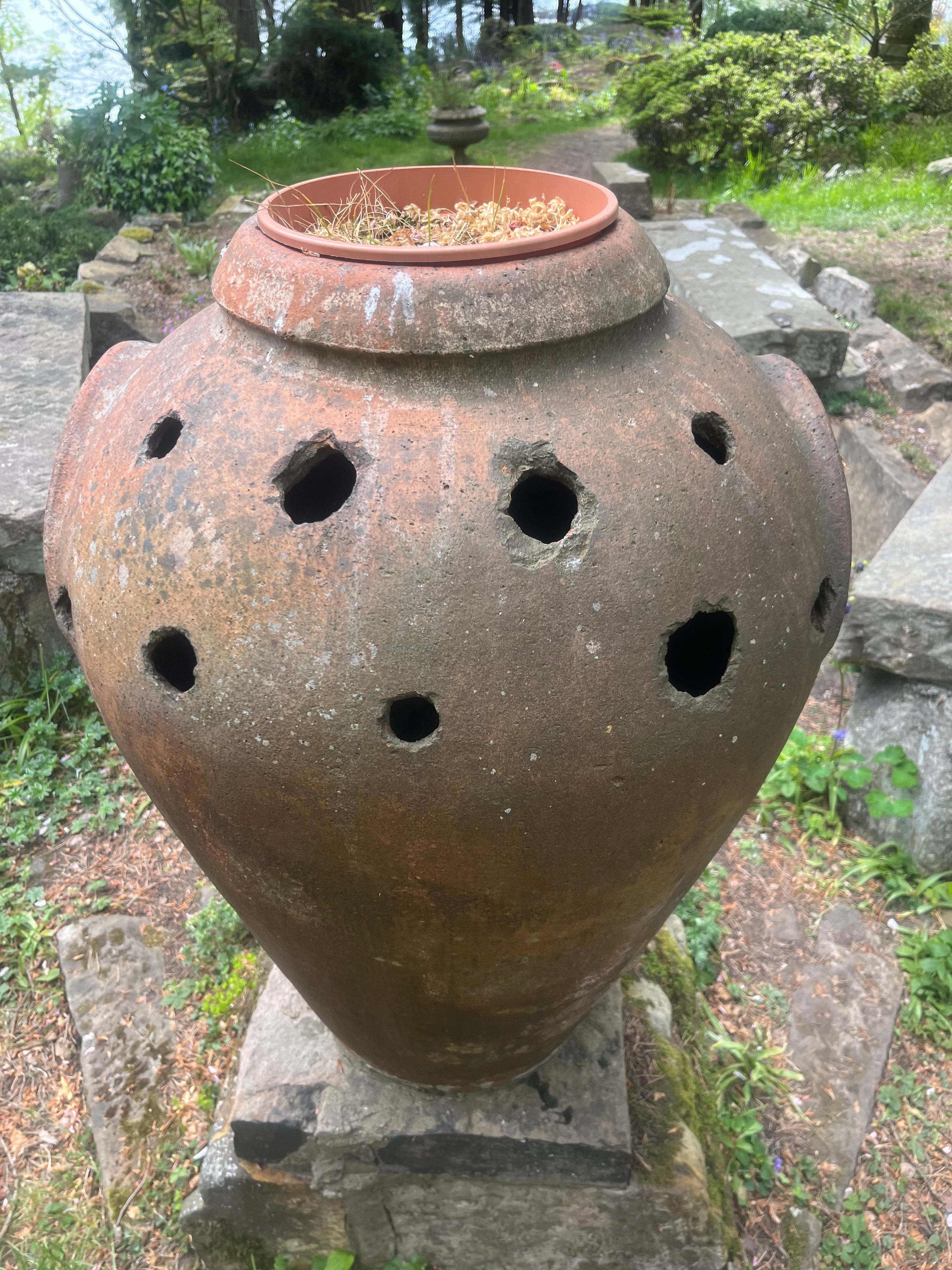
there was a clay pot with holes in it at neil’s garden which reminded me of the pots Romans bred edible mice in.
I watched a new ‘cosy crime’ This is Not a Murder Mystery , the premise is Salvador Dalí, his wife Gala, Max Ernst, Man Ray, Lee Miller and Magritte along with some made up artists are invited to a country estate, West Dean, to put on an art show. It is a perfect idea, to make a crime show about surrealists because male surrealist artists in particular were obsessed with chopping up and distorting women’s bodies. Inexplicably, they make Edward James, the famous art collector and owner of West Dean a woman with a mean hipster restaurant manager energy. I was not happy, I love queer interwar British men and I was much looking forward to his appearance. Artists start dying and Magritte becomes involved in solving the crime. I loved Gala and Dalí in it, brilliant combo of bossy older Russian lady and twinky man. Also they have Dalí played by a Catalan as he was, and speaking Catalan. They had a Man Ray who looked uncannily like Man Ray and a Max Ernst uncannily like Max Ernst (though sadly no Leonora Carrington with him) . The ending was quite rage inducing, troubling, annoying in what it said about working class people and the arts1 and it also didn’t really say anything about that relationship between male surrealist artists and women’s bodies, and the idea of women as muses, the tv writers could have done with reading some Whitney Chadwick that’s for sure. It makes me regret that Byatt never finished her novel on male surrealist artists I am convinced I once read about her working on. Ya sure, someone else could try but it won’t have her level of knowledge and precision, her 20th century brain. In a lot of contemporary writing I encounter the background research seems sort of dulled down, hurried, tv flecked, you get an unfortunate sense of not just the author’s specific book research but their intellectual life and relationship towards curiosity, I feel a kind of unease and instability as a reader at not being in the meticulous hands of a Byatt or a Graves.
I think there is a general blurb fatigue in the way they are written or you feel you should write them ( ‘devastating’ etc) but I came across this one by Robert Glück and I think it is magnificent ( and having read the novel in question, A Sense of Occasion, true)

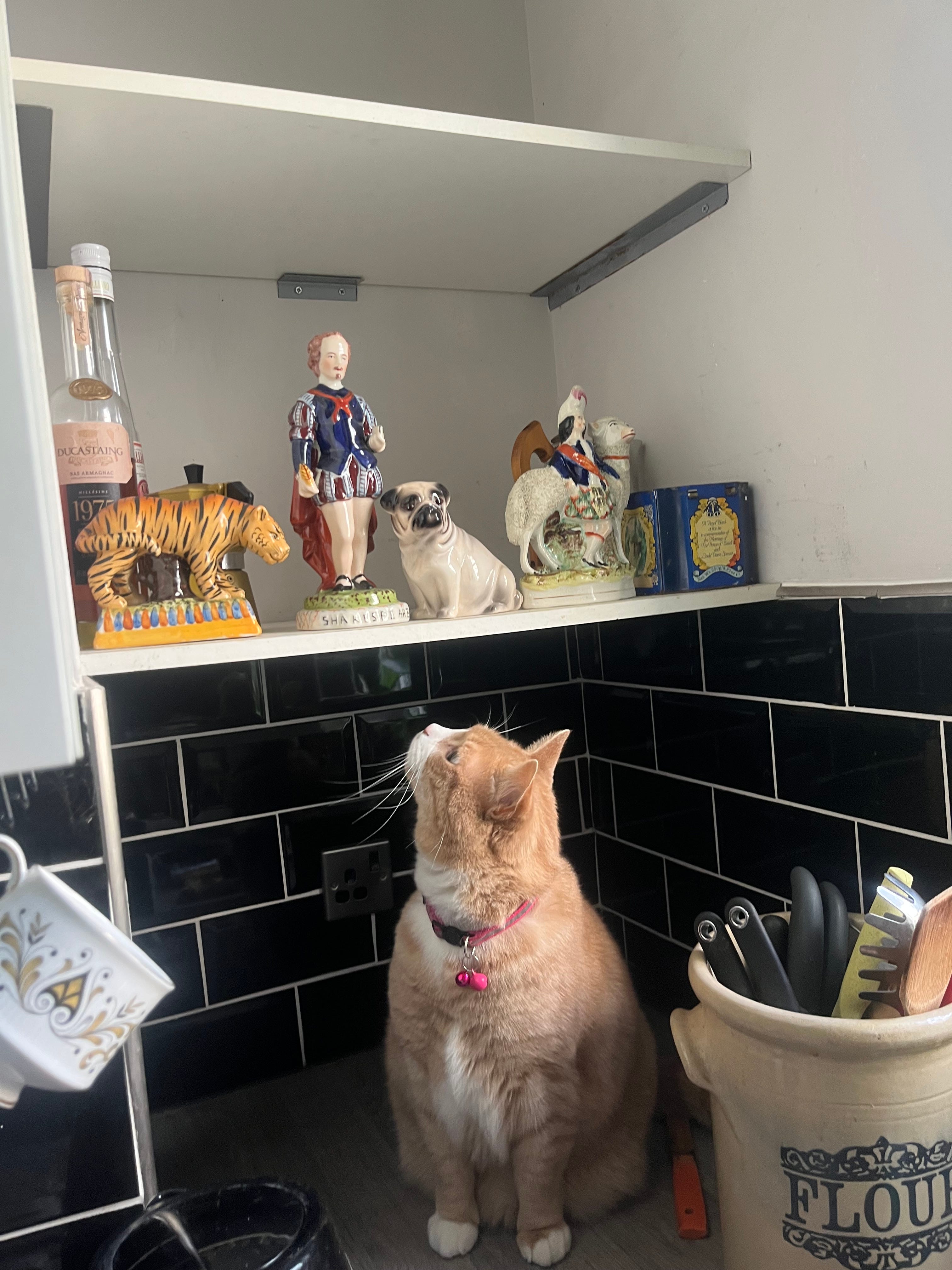
here is Ludwig admiring Shakespeare. There must be a fleck of butter or tuna on Shakespeare’s person somewhere.
spoiler here: it is the butler! A failed artist who now has to work in service getting his revenge as he doesn’t come from money. The show seems to say that whatever he makes will be monsterous and violent because he isn’t a member of the bourgeosie, that the wealthy and the bourgeois have some rarity which allows them to be transgressive and dark without it spilling into barbarity, that bourgeoisism is the necessary container for art.
Caracalla was the one who took the Roman biscuit for me, even by the extremely high imperial standards of “being a total piece of shit.” The bit where he attacks his own bridal procession, and so on
I was convinced that the best orgasm in the history of literature is in one of Harold Brodkey's stories. Or perhaps it's the Cántico Espiritual of San Juan de la Cruz.